
How to Paint Kitchen Cabinets: A Complete Step-by-Step Guide for a Professional Finish
How Do You Paint Kitchen Cabinets?
To paint kitchen cabinets, remove the cabinet doors and hardware, thoroughly clean all surfaces, lightly sand the existing finish, apply a high-quality primer, and finish with two coats of cabinet-grade paint. Proper preparation is essential for achieving a smooth, durable finish that looks professional and lasts for years.
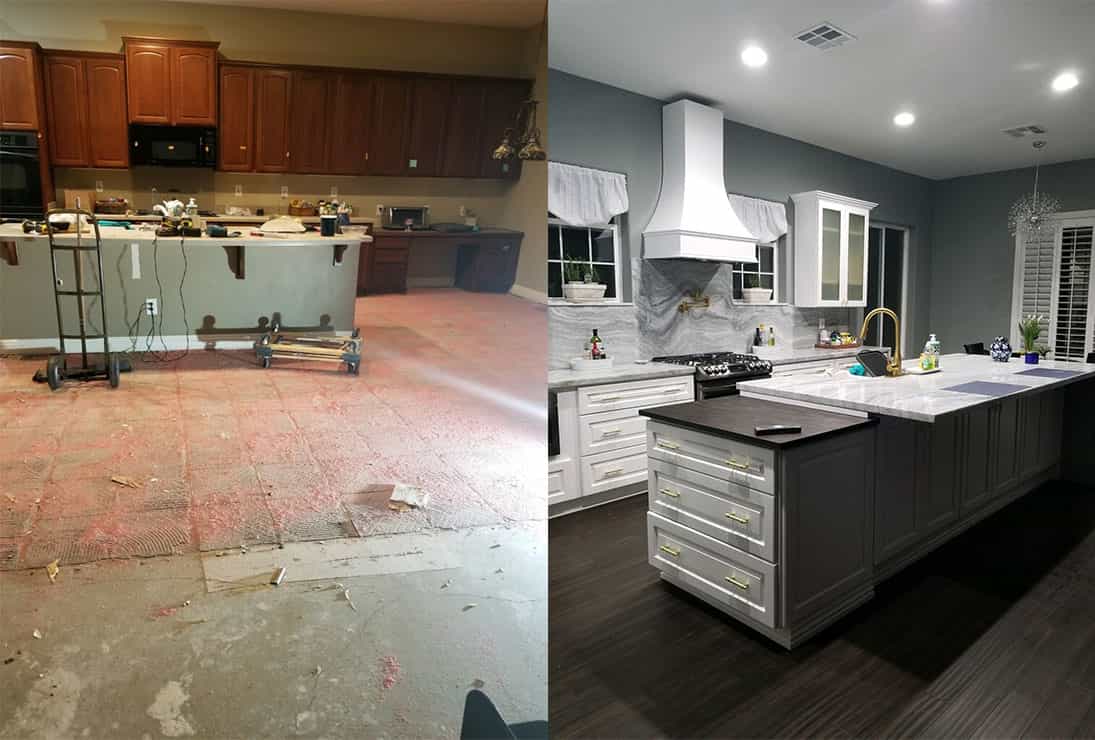
Many homeowners choose to paint kitchen cabinets instead of replacing them because it can dramatically refresh the appearance of a kitchen while keeping renovation costs under control.
Why Paint Kitchen Cabinets Instead of Replacing Them?
Kitchen cabinets are one of the most visible features in any kitchen. Over time, cabinet finishes can become worn, outdated, or damaged, making the entire space feel older than it actually is.
Painting existing cabinets can offer several benefits:
- Lower cost compared to cabinet replacement
- Faster kitchen transformation
- Greater flexibility in colour selection
- Improved home appearance
- Increased visual appeal
- Sustainable alternative to replacement
- Opportunity to modernise older cabinetry
When completed correctly, painted cabinets can provide a fresh, updated look without the expense of a full remodel.
What You Need Before Painting Kitchen Cabinets
Gathering the right tools and materials before starting can help ensure a smoother project.
Essential Tools and Materials
| Item | Purpose |
|---|---|
| Screwdriver | Remove cabinet doors and hardware |
| Degreaser or Cleaner | Remove grease and dirt |
| Sandpaper | Prepare cabinet surfaces |
| Tack Cloth | Remove sanding dust |
| Primer | Improve paint adhesion |
| Cabinet Paint | Provide a durable finish |
| Paint Roller | Create smooth coverage |
| Paint Brush | Reach corners and details |
| Drop Cloths | Protect floors and countertops |
| Painter’s Tape | Protect surrounding surfaces |
Using cabinet-specific products generally produces better results than standard wall paint.
Step 1: Remove Cabinet Doors, Drawers, and Hardware
Start by removing cabinet doors, drawer fronts, handles, knobs, and hinges.
Label each door and drawer carefully so reinstallation is easier later.
Removing hardware allows you to paint all surfaces evenly and helps create a cleaner finished appearance.
Pro Tip
Store screws and hardware in labelled containers to avoid confusion during reassembly.
Step 2: Thoroughly Clean All Cabinet Surfaces
Kitchen cabinets often accumulate grease, cooking residue, and dirt over time.
Even if cabinets appear clean, oils and contaminants can interfere with paint adhesion.
Use a quality degreaser to clean:
- Cabinet doors
- Drawer fronts
- Cabinet frames
- Exposed edges
- High-touch areas around handles
Allow all surfaces to dry completely before moving to the next step.
Step 3: Sand the Cabinets
Sanding helps create a surface that allows primer and paint to bond properly.
Light sanding is typically sufficient for most cabinet painting projects.
Focus on:
- Existing glossy finishes
- High-wear areas
- Visible imperfections
- Previous paint coatings
After sanding, wipe all surfaces with a tack cloth to remove dust.
Skipping this step often results in peeling or chipping paint later.
Step 4: Apply a Quality Primer
Primer plays a critical role in cabinet painting.
Benefits of primer include:
- Better paint adhesion
- Improved durability
- Enhanced stain blocking
- More consistent colour coverage
- Reduced risk of peeling
Apply a thin, even coat and allow it to dry according to the manufacturer’s recommendations.
Some projects may require a second primer coat depending on cabinet condition and colour changes.
Step 5: Paint the Kitchen Cabinets
Once the primer has fully dried, begin applying cabinet paint.
For the best results:
- Apply thin coats
- Use smooth, even strokes
- Avoid overloading brushes and rollers
- Follow drying recommendations between coats
Most cabinet painting projects require two coats of paint for optimal coverage and durability.
Thin coats generally perform better than one thick coat because they dry more evenly and reduce visible brush marks.
Step 6: Allow Proper Drying and Curing Time
One of the most common mistakes homeowners make is rushing the drying process.
Paint may feel dry to the touch within hours, but full curing often takes significantly longer.
Allow sufficient curing time before:
- Reinstalling doors
- Reattaching hardware
- Loading cabinets with dishes and cookware
- Cleaning cabinet surfaces
Patience during this stage can significantly improve long-term durability.
Step 7: Reinstall Hardware and Cabinet Doors
Once the paint has cured, carefully reinstall:
- Hinges
- Handles
- Knobs
- Drawer fronts
- Cabinet doors
Check alignment and make adjustments as needed to ensure smooth operation.
The final result should be a clean, refreshed kitchen appearance that looks professionally finished.
Best Paint for Kitchen Cabinets
Choosing the right paint is just as important as preparation.
Popular options include:
Acrylic Cabinet Paint
Acrylic paint offers excellent durability and easy cleanup.
Alkyd Hybrid Paint
Many professionals prefer alkyd hybrids because they provide a hard, furniture-like finish.
Water-Based Cabinet Paint
Modern water-based cabinet paints offer durability with lower odour and easier maintenance.
Recommended Finishes
Most cabinet painters choose:
- Satin finish
- Semi-gloss finish
These finishes are easier to clean and generally perform well in kitchens.
Common Mistakes to Avoid When Painting Kitchen Cabinets
Avoiding common mistakes can dramatically improve results.
Skipping Cleaning
Grease prevents proper paint adhesion.
Skipping Sanding
Paint may peel or chip prematurely.
Using Wall Paint
Standard wall paint is not designed for cabinet surfaces.
Applying Thick Coats
Thick paint often leads to drips and uneven drying.
Rushing Dry Times
Insufficient drying can damage the finish.
Safety Tips When Painting Kitchen Cabinets
At Authentic Custom Cabinetry, we believe that proper preparation and safety are just as important as choosing the right paint. Whether you’re tackling a DIY cabinet painting project or planning a larger kitchen renovation, following basic safety practices can help ensure better results and a safer work environment.
Always work in a well-ventilated area when using primers, paints, and cleaning products. Wear protective gloves, safety glasses, and follow all manufacturer instructions regarding application and drying times.
For paint safety recommendations, visit the EPA. For DIY project safety guidance, review recommendations from the Occupational Safety and Health Administration. Paint manufacturers often provide application guidelines and drying recommendations that should be followed during cabinet painting projects.
How Long Does Cabinet Paint Last?
A properly prepared and painted cabinet finish can last many years when maintained correctly.
Longevity depends on factors such as:
- Surface preparation
- Paint quality
- Usage levels
- Cleaning habits
- Environmental conditions
Regular cleaning and gentle maintenance can help preserve the finish.
Can You Paint Kitchen Cabinets Without Sanding?
In some situations, specialised bonding primers may reduce the amount of sanding required.
However, most professionals still recommend light sanding because it improves adhesion and helps produce more reliable long-term results.
For the best finish, proper preparation should never be overlooked.
How Much Does It Cost to Paint Kitchen Cabinets?
The cost of painting kitchen cabinets varies depending on:
- Kitchen size
- Number of cabinets
- Paint products used
- Surface condition
- DIY versus professional services
Painting is generally considered one of the most cost-effective ways to update a kitchen without replacing cabinetry.
Cabinet Painting Before You Start: Key Considerations
Before beginning your project, ask yourself:
- Are the cabinet boxes structurally sound?
- Is the existing finish suitable for painting?
- Do you have sufficient time for preparation and curing?
- Are you changing from a dark colour to a light colour?
- Do you have the right tools and materials?
Planning ahead can help prevent costly mistakes.
What Homeowners Say About Cabinet Painting Projects
Many homeowners report that painting their kitchen cabinets is one of the most impactful kitchen upgrades they have completed.
Common benefits often include:
- Brighter kitchen appearance
- Updated style
- Improved resale appeal
- Cost savings compared to replacement
- Greater satisfaction with the space
Read Verified Customer Reviews
Examples:
- Google Reviews
- Trustindex Reviews
- Elfsight Reviews
- WP Business Reviews
- Review Schema Plugin
Verified customer reviews help prospective homeowners understand real experiences and project outcomes.
Frequently Asked Questions
Do kitchen cabinets need primer?
In most situations, yes. Primer improves adhesion and helps create a longer-lasting finish.
Can laminate cabinets be painted?
Many laminate cabinets can be painted when properly cleaned, sanded, and primed.
How long does cabinet paint take to cure?
Curing times vary by product, but cabinets often require several days or longer to reach full hardness.
Is painting kitchen cabinets worth it?
For many homeowners, painting cabinets provides a significant visual improvement at a fraction of the cost of replacement.
Final Thoughts – How to Paint Kitchen Cabinets
Painting kitchen cabinets can dramatically transform the appearance of your kitchen without the cost of a complete renovation. By properly cleaning, sanding, priming, and painting your cabinets, you can achieve a durable finish that enhances both style and functionality.
Whether you’re updating outdated cabinetry or refreshing your kitchen’s overall look, taking the time to prepare surfaces correctly will help ensure long-lasting results. At Authentic Custom Cabinetry, we believe quality craftsmanship and proper preparation are the foundation of beautiful kitchen cabinets, whether you’re tackling a DIY project or planning a larger kitchen upgrade.
Tags: cabinet refinishing, diy kitchen renovation, how to paint kitchen cabinets, kitchen cabinet makeover, kitchen cabinet paintingCategorised in: Kitchen Cabinets