
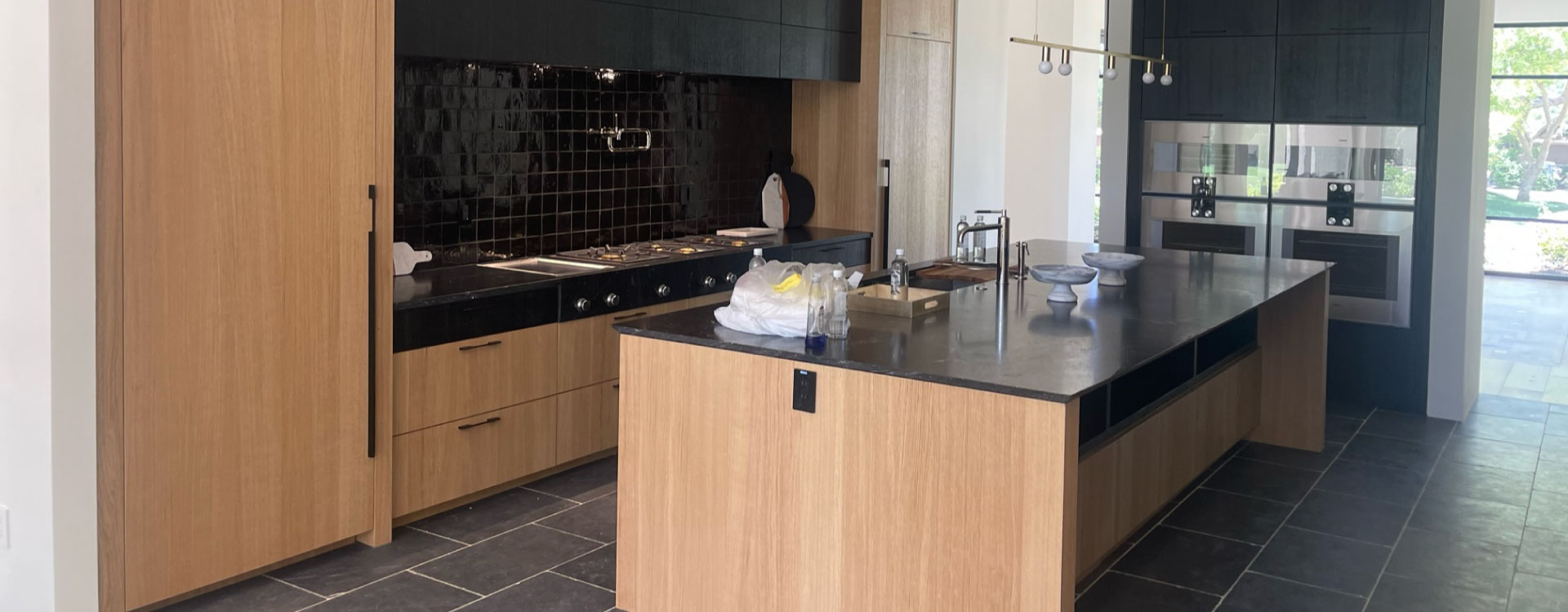
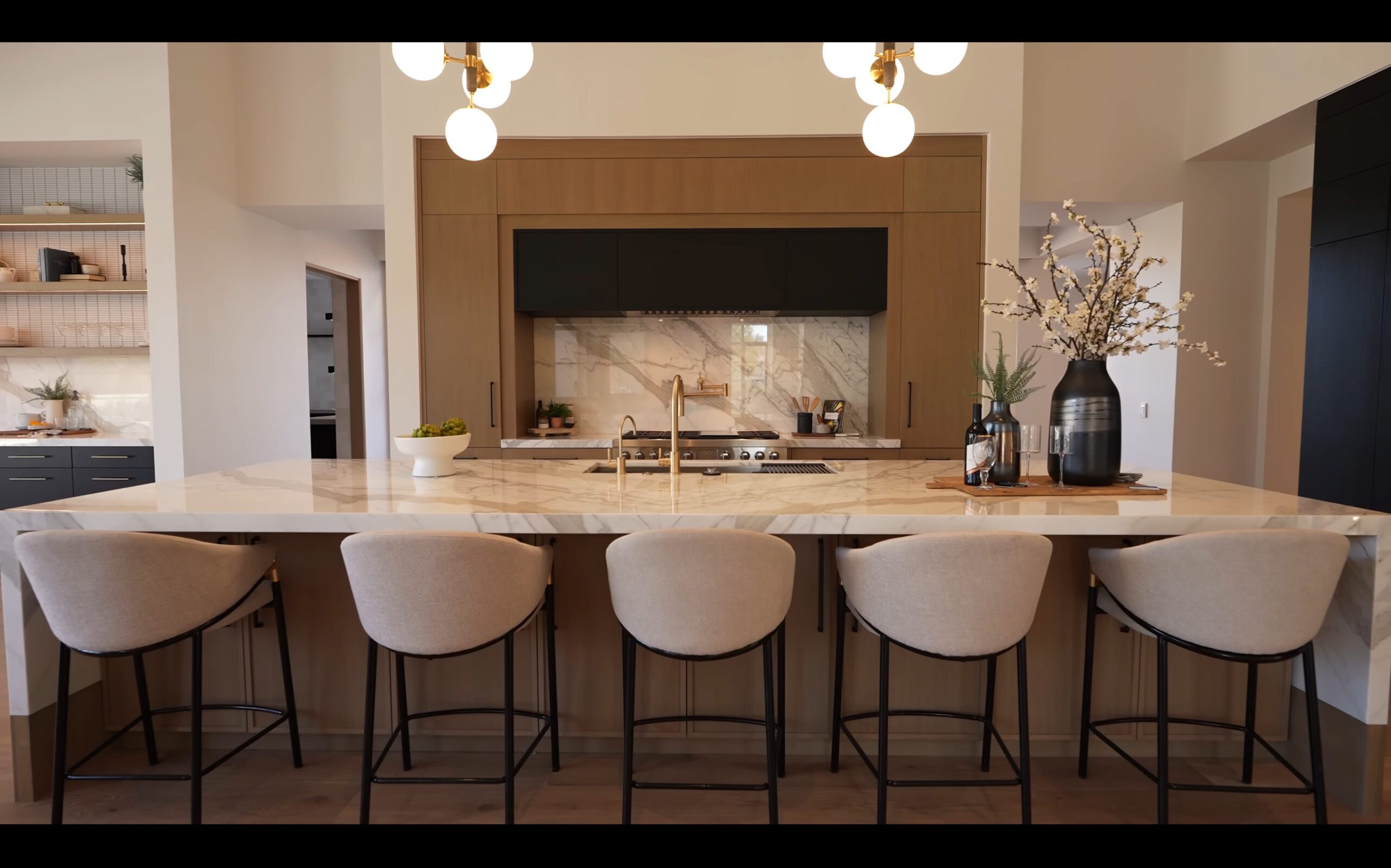
Can You Stain Kitchen Cabinets a Different Color in Scottsdale?
When homeowners in Scottsdale begin planning a kitchen refresh, one of the most common questions is: Can you stain kitchen cabinets a different color? The answer is yes. In many cases, changing the stain color of your kitchen cabinets can dramatically transform the look of your space without the expense of a complete cabinet replacement.
Whether you want to darken outdated oak cabinets, create a rich walnut appearance, or achieve a modern, lighter wood finish, professional cabinet staining can give your kitchen a fresh new look while preserving the quality craftsmanship of your existing cabinetry.
In this guide, we’ll explain how cabinet staining works, when it’s possible to change stain colors, the challenges involved, and why many Scottsdale homeowners choose this option during kitchen remodeling projects.
Understanding Cabinet Staining
Staining is different from painting. Instead of covering the wood grain, stain penetrates the wood surface and enhances its natural texture and character. This allows the beauty of the wood to remain visible while changing its overall color.
Cabinet stain is available in a wide range of shades, including:
- Light natural tones
- Honey oak
- Golden maple
- Walnut
- Espresso
- Mahogany
- Gray-toned finishes
- Dark chocolate browns
Because stain works with the natural wood grain rather than covering it, every cabinet has a unique final appearance.
Can Existing Cabinets Be Stained a Different Color?
In most cases, yes. However, the process depends on several factors:
Type of Wood
The wood species significantly affects staining results.
Common cabinet woods include:
- Oak
- Maple
- Cherry
- Hickory
- Birch
- Alder
Each wood absorbs stain differently. For example, oak readily accepts stain and can be changed to darker shades relatively easily. Maple tends to absorb stain unevenly and may require additional preparation.
Existing Finish
Most cabinets are protected with polyurethane, lacquer, or another clear finish. Before applying a new stain, the existing finish must be removed or sanded down properly.
If the finish remains on the surface, the new stain will not penetrate the wood effectively.
Current Color
Changing from a lighter stain to a darker stain is generally easier than moving from a dark stain to a lighter one.
For example:
- Honey oak → Walnut = Usually achievable
- Maple → Espresso = Typically successful
- Dark cherry → Light oak = More challenging
Lighter stain colors often require extensive sanding or stripping to remove the original color completely.
Why Scottsdale Homeowners Choose Cabinet Restaining
Kitchen cabinet replacement can be expensive and disruptive. Restaining offers an attractive alternative for homeowners who want a fresh look without a full renovation.
Cost Savings
Replacing custom cabinets can cost tens of thousands of dollars. Restaining allows homeowners to update the appearance of their kitchen at a fraction of that cost.
Preserve Quality Cabinetry
Many Scottsdale homes feature solid wood cabinets built with exceptional craftsmanship. Rather than removing these durable cabinets, restaining allows homeowners to modernize their appearance while maintaining structural quality.
Faster Project Timeline
Cabinet replacement often requires weeks of demolition, installation, and finishing work.
Professional cabinet staining can usually be completed much faster, minimizing disruption to your daily routine.
Environmentally Friendly
Keeping existing cabinets out of landfills reduces waste and makes better use of existing materials.
Many homeowners appreciate the sustainability benefits of refinishing instead of replacing.
Popular Cabinet Stain Colors in Scottsdale
Design trends continue to evolve, and Scottsdale homeowners often seek stain colors that complement the area’s contemporary and desert-inspired aesthetics.
Warm Walnut
Walnut remains one of the most requested cabinet stain colors because it adds warmth, sophistication, and timeless appeal.
It works particularly well in:
- Transitional kitchens
- Luxury homes
- Open-concept floor plans
Rich Espresso
Dark espresso stains create dramatic contrast and a modern upscale appearance.
They pair beautifully with:
- White countertops
- Light flooring
- Stainless steel appliances
Natural Wood Finishes
Many homeowners are moving toward lighter, natural wood tones that emphasize the beauty of real wood grain.
These finishes create:
- Bright spaces
- Organic warmth
- Contemporary appeal
Gray-Toned Stains
Gray and greige stain colors have become increasingly popular in modern Scottsdale homes.
These finishes offer a sophisticated alternative to traditional brown wood tones while maintaining visible grain patterns.
The Cabinet Restaining Process
Professional cabinet staining involves multiple steps to achieve durable, attractive results.
Step 1: Evaluation
A professional contractor assesses:
- Wood species
- Existing finish
- Cabinet condition
- Desired color change
This evaluation helps determine whether the project is feasible and what preparation methods are required.
Step 2: Removal of Doors and Hardware
Cabinet doors, drawer fronts, hinges, and handles are typically removed to ensure even finishing and thorough access to all surfaces.
Step 3: Cleaning
Years of cooking residue, grease, and household contaminants must be removed before refinishing begins.
Proper cleaning is critical for stain adhesion.
Step 4: Sanding or Stripping
The existing finish is removed through:
- Sanding
- Chemical stripping
- Combination methods
This step exposes bare wood and prepares the surface for stain absorption.
Step 5: Stain Application
The chosen stain color is applied carefully and evenly.
Professionals often test stain samples beforehand to verify the desired appearance.
Step 6: Protective Finish
After the stain dries, protective topcoats are applied.
These finishes help resist:
- Moisture
- Scratches
- Daily wear
- UV exposure
Step 7: Reinstallation
Cabinet doors and hardware are reinstalled, completing the transformation.
Challenges of Changing Cabinet Stain Colors
While many stain color changes are possible, certain situations require special consideration.
Uneven Wood Absorption
Different sections of wood may absorb stain differently, particularly with maple or birch cabinets.
Professional preparation minimizes blotching and uneven coloration.
Deep Existing Stains
Dark stains can penetrate deeply into wood fibers, making lighter color conversions more difficult.
In some cases, homeowners may need to consider painting instead of restaining if a dramatically lighter finish is desired.
Wood Damage
Scratches, dents, water damage, and previous repairs can affect final staining results.
Repairs may be necessary before refinishing begins.
Staining vs. Painting Kitchen Cabinets
Many homeowners debate whether staining or painting is the better option.
Benefits of Staining
- Preserves natural wood grain
- Highlights wood character
- Timeless appearance
- Easier touch-ups in some cases
- Maintains premium wood aesthetics
Benefits of Painting
- Wider color selection
- Covers imperfections
- Works well for heavily damaged cabinets
- Modern design flexibility
For homeowners who love the look of real wood, staining is often the preferred choice.
Is DIY Cabinet Staining Recommended?
While some homeowners attempt DIY cabinet refinishing, achieving professional-quality results can be challenging.
Common DIY issues include:
- Uneven stain application
- Visible sanding marks
- Blotchy color
- Dust contamination
- Poor finish durability
Professional cabinet refinishers have specialized equipment, finishing products, and experience that help ensure a smooth, consistent appearance.
How Long Does Cabinet Stain Last?
When professionally applied and properly maintained, stained cabinets can remain beautiful for many years.
Factors affecting longevity include:
- Quality of finish
- Kitchen humidity levels
- Sunlight exposure
- Cleaning habits
- Daily wear
Most professionally refinished cabinets can maintain their appearance for 10 years or longer before requiring significant refinishing.
Maintaining Newly Stained Cabinets
Proper maintenance helps protect your investment.
Follow these recommendations:
- Use soft microfiber cloths
- Clean spills promptly
- Avoid abrasive cleaners
- Use mild soap solutions
- Protect cabinets from excessive moisture
- Avoid harsh chemicals
Regular care preserves both the stain color and protective finish.
Final Thoughts
So, can you stain kitchen cabinets a different color in Scottsdale? Absolutely. In many situations, cabinet restaining is an excellent way to update your kitchen’s appearance while preserving the beauty and quality of your existing cabinetry.
Whether you’re transitioning from dated honey oak to rich walnut, darkening cabinets for a modern look, or enhancing natural wood tones, professional cabinet staining can deliver impressive results without the cost of a full cabinet replacement.
Before starting your project, consult an experienced cabinet refinishing professional who can evaluate your cabinetry, discuss color options, and recommend the best approach for achieving your desired outcome. With the right preparation and craftsmanship, your existing cabinets can become one of the most stunning features of your Scottsdale kitchen.
FAQs
Kitchen Cabinet Restaining in Scottsdale: What Homeowners Need to Know
Thinking about updating your kitchen? Find out how cabinet restaining can transform your Scottsdale home without full replacement.
Change Your Cabinet Color with Professional Staining in Scottsdale
Explore cabinet staining options, costs, and benefits for Scottsdale homeowners looking to refresh their kitchen cabinets.
Scottsdale Cabinet Refinishing: Can Cabinets Be Stained a New Color?
Discover how professional cabinet refinishing can change the color of your kitchen cabinets while preserving natural wood beauty.
How to Stain Kitchen Cabinets a Different Color in Scottsdale Homes
Can you stain existing cabinets a different color? Learn everything Scottsdale homeowners need to know about cabinet restaining.
Categorised in: Home Improvement